Table Of Content
Granite countertops became a must-have, appliances were black, and kitchens were generally dark due to color and finish choices. Instead, we embraced bright colors, including soft pastels inspired by Miami Vice and the primary colors of Memphis design. Houseplants were replaced with silk floral arrangements and overstuffed sofas covered in floral chintz, an effect of the English cottage style made popular by Laura Ashley.
Are Dark Kitchen Cabinets Coming Back Into Style?
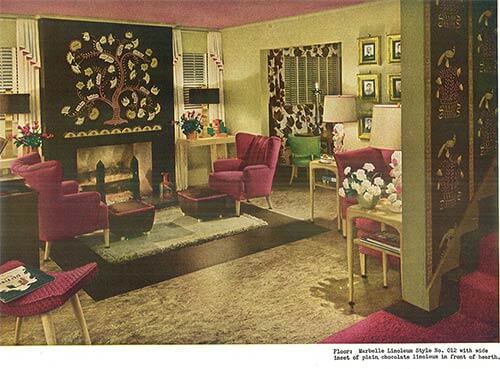
The linoleum flooring’s widespread use was not without reason — it was durable, versatile in colors and patterns, and easy to maintain. Just as certain colors were popular during this time, so were specific design patterns. Checkered patterns, gingham, polka dots, florals, and designs with fruits and vegetables were often prominently featured in 1930s and 1940s kitchen designs.
Cape Cod and Other Colonial Styles

But modernism exploded into the mainstream in the late 1940s, thanks to a post-war economic boom that created tremendous demand for homes and furniture. The designs of modernist furniture made it affordable, gorgeous, and easy to manufacture. What we now call midcentury modern style (MCM), modernism quickly spread across the suburbs and cities of America. American architecture legend Frank Lloyd Wright was a well-established, elderly architect (in his 60s) when the stock market crashed in 1929. Recovery from the Great Depression inspired Wright to develop the Usonian house. Based on Wright's popular Prairie Style, Usonian homes had less ornamentation and were a bit smaller than the Prairie homes.
Furniture of 1930s and 1940s Kitchens
Integrating vintage styles into modern design canvases is like narrating a unique tale that weaves together elements from different eras. The result is an eclectic blend that becomes a testament of time’s transcending beauty. We never cease to be amazed by the timeless cycle of some decor styles – in particular 1940s interior design. This decade might have been heavily dominated by the Second World War, but it seems we emerged from those troubled times with a strong and positive approach to design. Alongside interior aesthetics and functionality, the creation of a smooth indoor outdoor transition is another design asset I prioritize as an interior designer.
They inspired a new generation of architects to take seriously modest but beautiful residential designs for the middle-class, working family. Over-the-top interiors have replaced farmhouse minimalism, and popular colors include rich blues, deep greens, and warm pastels. Pantone's 2022 color of the year was a rich shade of purple, demonstrating just how far we've come from the years of all white. Chunky wood tables flaunted Provençal tablecloths in French blue and gold, and oversized wood cabinets featured ornate molding.
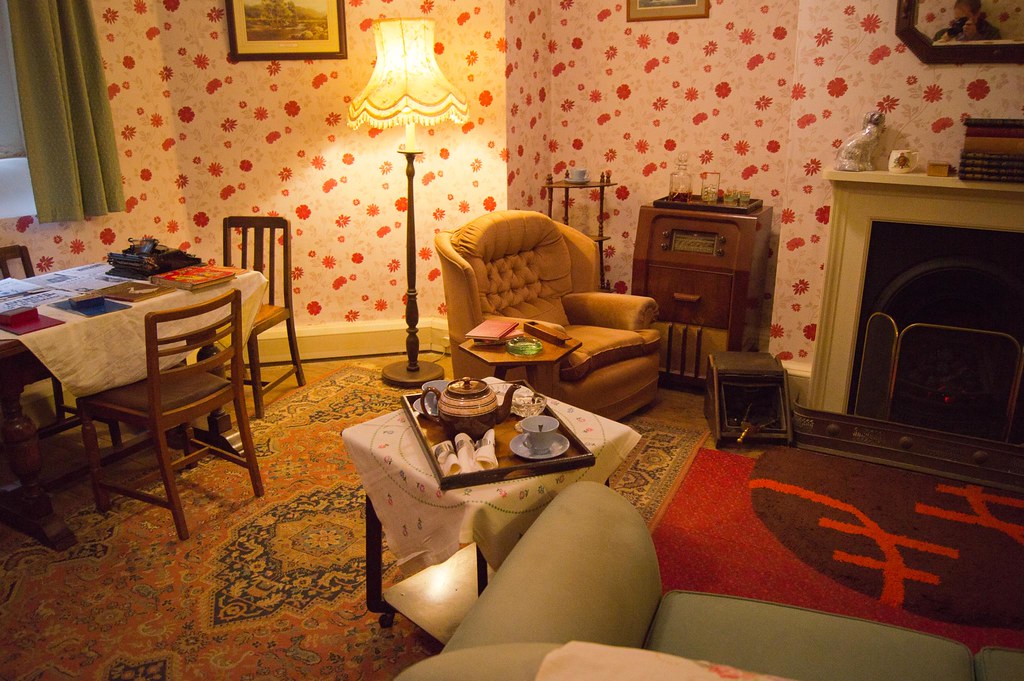
Sanitary 1940s kitchen design:
Linoleum flooring was especially popular and could be found in many designs, patterns, and bold colors. Aside from flooring, linoleum cutout detailing and even linoleum cabinets can be widely found throughout many 1930s and 1940s kitchen designs. These two decades are characterized by bright colors, a juxtaposition of familiar items with sleek, modern pieces, and unique, innovative material choices. By learning more about key features of kitchen design in the 1930s and 1940s, you can incorporate an authentic, vintage, or retro feeling into your own kitchen.
Domed structures are amazingly energy-efficient and hold up especially well during natural disasters. During the 1960s and 1970s, custom-designed dome homes sprouted in sparsely populated areas, like the American Southwest. Still, domes remained more common in military camps and outstations than residential neighborhoods. Despite the need to economize and conserve natural resources, American tastes have run toward more traditional housing types and styles. Visionary inventor and philosopher Buckminster Fuller conceived the geodesic dome as a housing solution for a struggling planet.
Sentimental 1940s interior design:
Stainless-steel appliances continued their reign and hardwood was the flooring of choice. Memphis design, a postmodern design movement from Italy, was over-the-top whimsy, embracing bright colors and bold geometric patterns. "It rejected the stripped-down look of modernism and overstated the ornamentation," Gatlin says. The original MTV logo is perhaps the most well-known example of Memphis design, in addition to the sets on Saved By The Bell. This edgy style showed up in homes in the form of playful objects that favored form over function. Squiggle-print upholstery, zig-zag throw pillows, pops of neon color, terrazzo tabletops, and coffee tables with round legs all exhibited the look.
1940s Sutherland Ave. home renovated, perfect for family with 3 sons - Knoxville News Sentinel
1940s Sutherland Ave. home renovated, perfect for family with 3 sons.
Posted: Fri, 03 Aug 2018 07:00:00 GMT [source]
Weary of disposable furniture, the next generations fill their homes with thrift store finds and upcycled antiques. "There's a concern that buying new everything is no longer sustainable," Gatlin says. "We're looking for ways to lighten our carbon footprint by reusing and recycling, and that's showing up in the design choices we make." An ongoing global pandemic, rising inflation, and a war in Europe have created a desire for comfort, color, and the soothing qualities of nature. "To say that we live in stressful times is an understatement," Gatlin says.
It was not just a descriptor of fashion void of frivolous details; it became its own category of clothing. Stylistically, the decade began with one look (fueled by wartime make-do-and-mend attitudes) and ended with an entirely other New Look (a chic-for-chic’s-sake celebration). The post-war ranch house was freely adapted and modified in the 1950s and early 1960s.
One of the most iconic elements of American Traditional design is the use of wallpaper. Plaid, striped, floral, and paisley patterns were particularly popular, as they added a touch of whimsy and elegance to any room. Charles Eames, Edward Wormley, and Jean Royere are a few that had a remarkable influence. Their designs, incorporating simple lines and organic forms, still hold relevance influencing contemporary furniture aesthetics.
They’re all the former pet projects of John de Neufville, a real estate investor whose passion for renovating historic homes stems from a lifelong love of architecture. “My mother grew up in New Orleans and always had an affection for old houses,” he says. Granite was the finish of choice for countertops and backsplashes in both the kitchen and bathrooms. Other natural materials, including marble, soapstone, quartzite, and concrete, ticked up in popularity, too. The World Wide Web entered the mainstream, and techno and grunge music rose to prominence. Since much of pop culture came from the Pacific Northwest, color palettes became more muted.


No comments:
Post a Comment